At a Glance
- Treatment tailored to your purpose
- Focused on non-surgical aesthetics procedures
- Fresh perspective and careful consultation
- Private, respectful care environment
- Soft results that complement your own features
About Our Approach to Aesthetics
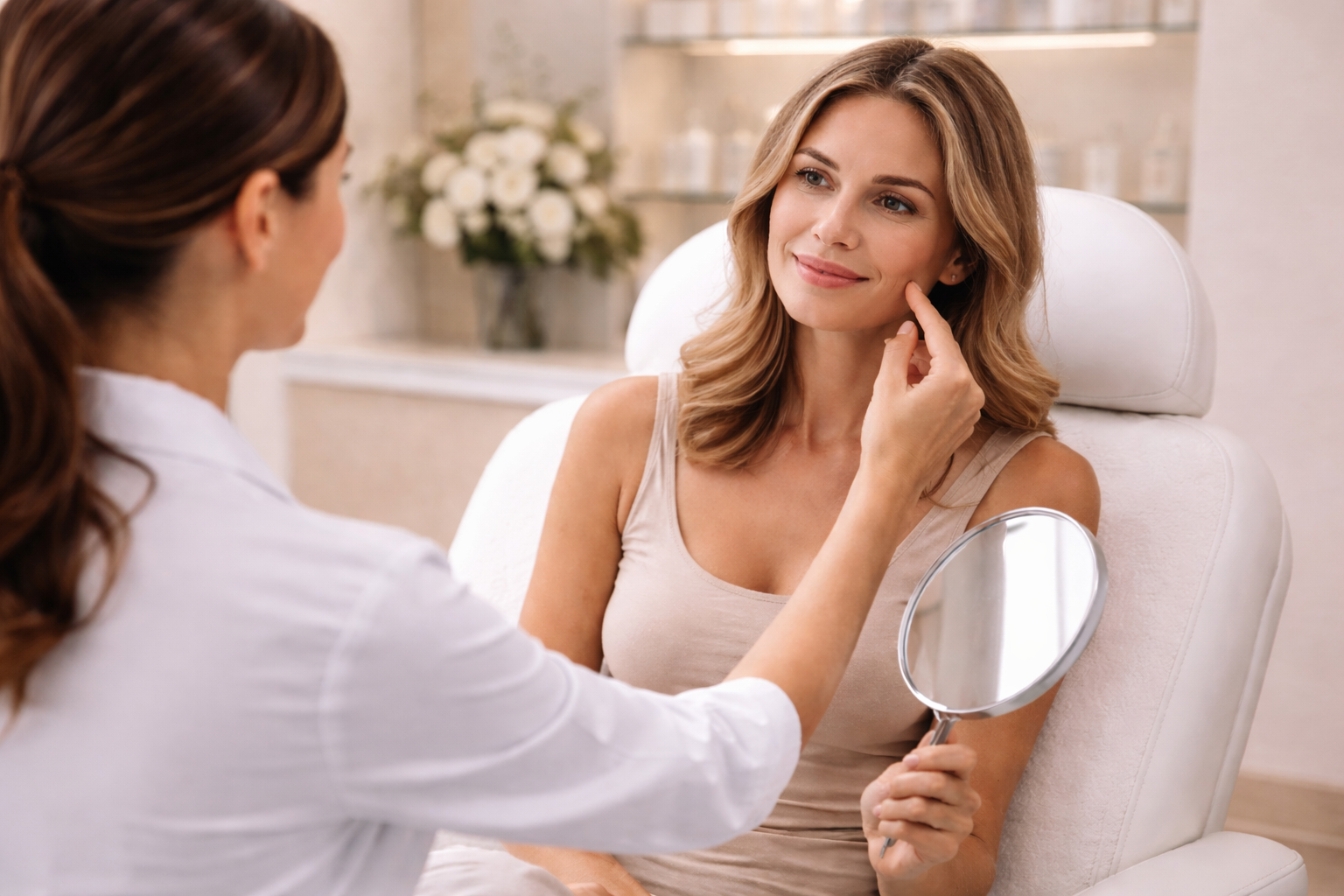
Aesthetics is not about becoming someone else. At its core, this field exists to help people feel more comfortable and more confident in the skin they already have. Whether it involves addressing early signs of skin laxity, managing a small pocket of stubborn fat, or simply wanting to look a little more refreshed when catching sight of yourself in the mirror, the motivation is deeply personal — and it deserves to be treated that way.
A thoughtful process sits at the heart of good aesthetics. Treatments should never feel like a transaction, and they should never be rushed. They begin with a conversation instead. What have you noticed about your skin? What changes have you observed over recent months or years? What is the one thing that bothers you when you look in the mirror? And perhaps more importantly, what would a result that leaves you feeling more comfortable and confident actually look like for you as an individual?
Consultation opens the door to these questions. During this interaction, a clinician can carefully assess the quality of your skin, the natural balance of your facial features, underlying muscle tone and the areas of the body where you feel that fat distribution may have shifted over time. The point is never to search for faults. Instead, it is about understanding how your features work together and identifying how thoughtful, small adjustments could amplify what is already there.
Many people are surprised to learn that the best aesthetics results tend to arrive slowly. Improvements happen through carefully paced treatments rather than dramatic, overnight shifts. This gradual approach allows each phase of treatment to settle naturally, ensuring that results look and feel like an authentic extension of your own appearance rather than something that has been imposed from the outside.
Aesthetics also functions best when it is genuinely personal. Every person carries a different skin type, a unique facial structure and a distinct body shape. What works well for one individual may not be the right path for another. This is precisely why careful assessment and considered planning matter so much. An individualised treatment plan takes into account your specific preferences, your therapeutic goals and the pace of change that feels right for you.
Why Professional Treatment Matters
Trust plays a significant role in any aesthetic experience. When people feel confident that they are in safe, professional hands, the entire process becomes less daunting and more collaborative. A good clinical relationship is one where patients feel comfortable asking questions, where they can talk openly about what concerns them and where they can learn exactly what a treatment can and cannot realistically achieve.
Irresistibly honest counsel helps quieten the uncertainty that often accompanies these decisions. When the guidance is straightforward and transparent, whichever direction a person chooses to go in — whether they proceed with treatment or decide to wait — the decision feels considered and well informed. Nobody should ever feel pressured, and nobody should walk away wondering whether they were given the full picture.
Professional treatment matters because it brings together clinical knowledge, practical experience and a genuine understanding of human anatomy. The skin, the underlying fat structures, the muscles of the face and body — all of these layers interact with each other in complex ways. Understanding these relationships is essential for selecting the right treatment, applying it at the appropriate depth and calibrating it to produce results that look balanced and natural.
Beyond the technical skill involved, professional care also means working within a framework of safety and ethics. Trained clinicians follow strict hygiene protocols, use equipment that is regularly maintained and calibrated, and ensure that patients fully understand what a procedure involves before it begins. This standard of care exists to protect patients and to ensure that every treatment is delivered responsibly.
There is also something to be said for the reassurance that comes from knowing your clinician understands the broader scientific evidence behind the treatments they offer. Modern aesthetics technologies — from focused ultrasound to cryolipolysis to radiofrequency energy — all work on established biological principles. When a clinician can explain how these processes function and why they are appropriate for your specific concern, it builds a foundation of confidence that supports the entire treatment journey.
Non-Surgical Aesthetics Treatments
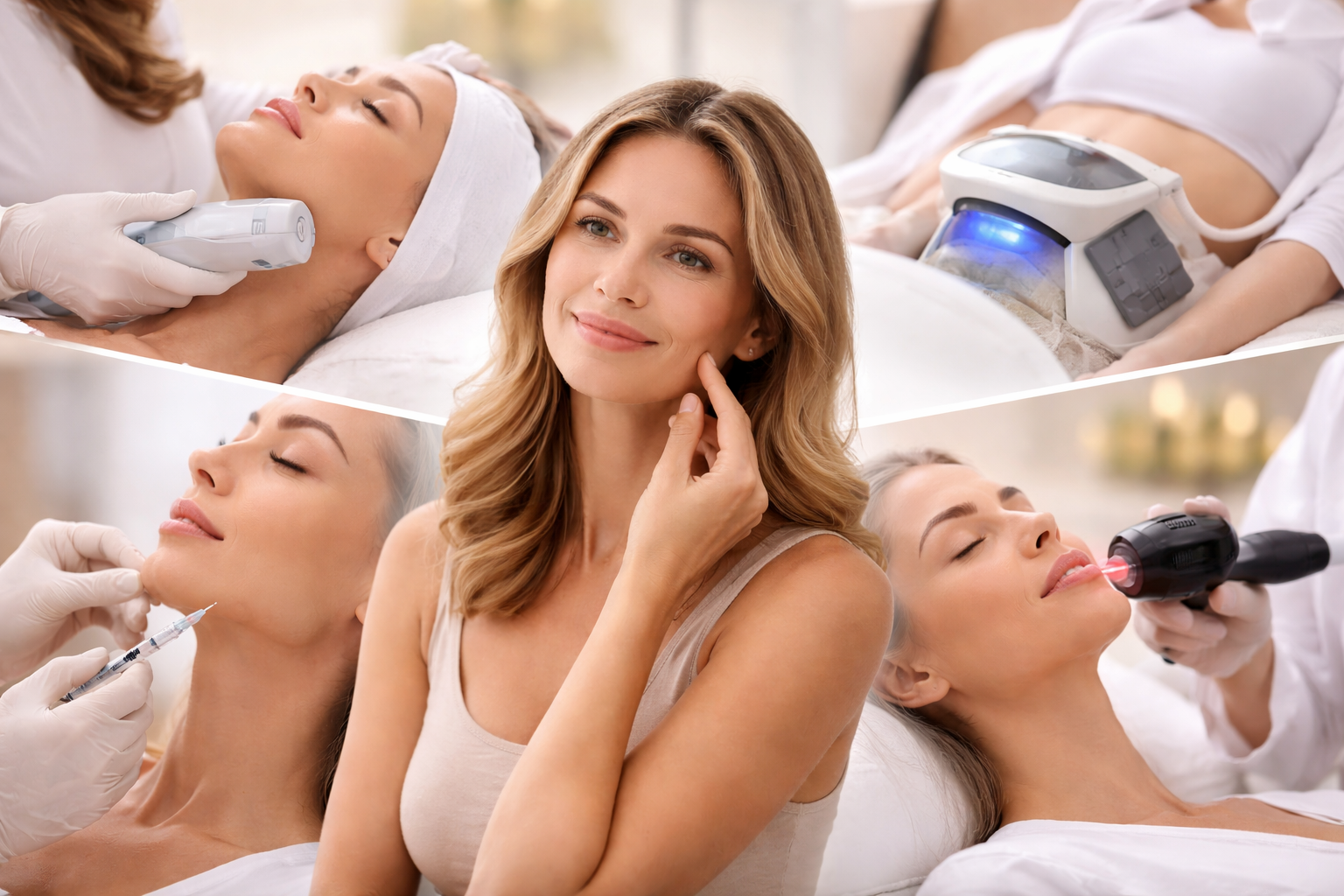
Non-surgical therapies form the foundation of modern aesthetics. They allow people to improve skin texture, refine body tone and build overall confidence without the need for incisions or lengthy recovery periods. The appeal of these procedures lies in their design — they are intended to support gradual, subtle change rather than wildly transformational results.
These treatments encompass a wide range of approaches, including skin tightening technologies, body sculpting techniques and blemish removal methods. What unites them is a shared philosophy: working in harmony with the body's own natural processes to encourage healthier skin and a more balanced physique from the inside out.
Sessions tend to be relatively short, and most people are able to return to their normal daily routines soon afterward. Results develop slowly over time, which contributes to the natural appearance that so many patients value. When these treatments are carefully planned and delivered by experienced professionals, they help people look rested, feel refreshed and carry a quiet confidence in how they present themselves to the world.
Many modern aesthetics procedures draw on evidence from the wider scientific and medical community. Technologies such as HIFU, cryolipolysis, Morpheus8 and fat-dissolving injections all use controlled energy or targeted tools to trigger biological processes within the body. For example, certain treatments can encourage the production of collagen within the skin. Others may prompt the gradual breakdown of fat cells in targeted areas. Some work to improve the overall texture of the skin as fresh tissue forms and matures. These changes take place gradually and naturally, which is a significant part of what makes non-surgical aesthetics so appealing to so many people.
HIFU (High-Intensity Focused Ultrasound)
HIFU is widely recognised as a non-surgical facelift option. The treatment uses focused ultrasound energy to gently heat the deeper layers of the skin — specifically the layers where collagen is naturally produced. Collagen is a protein that plays a central role in keeping skin firm, smooth and structurally supported. As we age, our natural production of collagen gradually slows, which can cause skin to feel looser and less resilient over time.
During a HIFU session, controlled ultrasound energy is delivered beneath the surface of the skin without disrupting the outer layer. This process activates the body's own healing response and encourages fresh collagen to form in the treated area. The treatment is commonly applied to the jawline, neck, chin, brow area and lower face — all regions where skin laxity tends to become noticeable with age.
A handheld device is used during the treatment, gliding across the skin while emitting carefully calibrated energy pulses. Some people experience a sensation of warmth or mild tingling, but the procedure is widely tolerated and does not require anaesthesia. Results tend to emerge gradually over the course of several weeks as new collagen develops. Many people notice tighter skin and improved definition in the treated areas, with the changes appearing natural and understated.
Cryolipolysis (Fat Freezing)
Cryolipolysis is a procedure designed to reduce localised fat deposits beneath the skin using carefully controlled cooling technology. Often referred to as fat freezing, this treatment takes advantage of the fact that fat cells are considerably more sensitive to cold temperatures than the surrounding tissues.
During a session, an applicator is placed over the target area. The device uses gentle suction to draw the tissue into a cooling chamber, where controlled cold temperatures are applied. This process causes the targeted fat cells to break down without harming the skin, nerves or muscle tissue in the surrounding area. Over the following weeks, the body processes and eliminates these damaged fat cells through its normal metabolic pathways.
Common treatment areas include the abdomen, flanks, thighs, upper arms and the area beneath the chin. The treatment is particularly well suited to small, localised pockets of fat that have proven resistant to diet and exercise. It is not a weight loss solution, but rather a contouring tool that helps bring greater balance and proportion to the body's natural shape. Results develop gradually over time, which contributes to a natural and understated outcome.
Aqualyx (Fat-Dissolving Injections)
Aqualyx is an injectable treatment designed to target and reduce small, stubborn areas of fat. The solution is introduced directly into the fat tissue, where it works to break down fat cells at a cellular level. Once the cells have been disrupted, the body's lymphatic system gradually clears them away over the following days and weeks.
This treatment is particularly valued for its ability to address discreet areas of concern. It is commonly used to refine the chin, jawline, stomach, inner thighs and knees — areas where people often notice small deposits of fat that do not respond to general weight management. Aqualyx is not intended as an alternative to overall weight loss; rather, it offers a targeted approach to subtle body contouring.
Some degree of swelling following treatment is common and typically resolves within a few days. Because the treated fat cells are eliminated gradually by the body, results develop naturally over time. Many patients appreciate this slow progression, as it allows the changes to integrate seamlessly with their existing body shape.
Body Sculpting
Body sculpting encompasses a range of non-surgical procedures designed to refine and shape the body without the need for invasive surgery. These approaches may include fat reduction technologies, muscle stimulation techniques or skin tightening methods — often used in combination to achieve a comprehensive result.
The appeal of body sculpting lies in its ability to address areas of the body that feel out of proportion. Some individuals may wish to create a more defined waistline, while others might focus on toning the arms or smoothing the contours of the thighs. The outcomes are intentionally gradual and anatomically natural in appearance, which helps ensure that results look like a refined version of the patient's own physique rather than something artificially imposed.
Because every body is different, a personalised plan is considered essential. What works for one person's body composition and goals may not be appropriate for another. A thorough assessment helps ensure that the chosen techniques align with individual anatomy, lifestyle and expectations.
Cryopen (Blemish Removal)
The Cryopen is a precision instrument used to treat a variety of superficial skin blemishes through the controlled application of extreme cold. It works by directing a fine jet of nitrous oxide onto the targeted area, freezing the affected tissue with remarkable accuracy while leaving the surrounding healthy skin largely unaffected.
This treatment is commonly used to address skin tags, age spots, sun spots and certain benign skin lesions. The freezing process causes the targeted cells to break down, after which a fine crust typically forms over the treated area. This crust heals naturally over the following days and weeks, revealing clearer skin beneath.
The Cryopen is valued for its precision and its ability to treat individual blemishes quickly and comfortably. It is an effective option for people who are bothered by visible imperfections on the skin's surface and who are looking for a straightforward, non-invasive method of addressing them.
Morpheus8
Morpheus8 is a treatment that combines two established technologies — microneedling and radiofrequency energy — to deliver deeper skin rejuvenation and enhanced collagen production. During the procedure, tiny microneedles create micro-channels in the skin's surface while simultaneously delivering radiofrequency energy into the deeper layers beneath.
This dual-action process stimulates the body's natural healing mechanisms. As the skin repairs itself, it produces fresh collagen and elastin, which contribute to improvements in skin texture, the softening of fine lines, the reduction of acne scarring and a general improvement in skin firmness and laxity.
Recovery following Morpheus8 is generally straightforward, with most patients experiencing only mild redness for a short period after treatment. Results develop gradually as the skin renews itself over the following weeks, producing a smoother, more even complexion that looks naturally rejuvenated rather than artificially altered.
Femiwand (Vaginal Tightening)
Femiwand is a gentle, non-invasive treatment that uses radiofrequency energy to support the health and resilience of vaginal tissues. The energy delivered during treatment encourages the production of collagen within the vaginal walls, which can improve the elasticity and structural support of the tissue over time.
Many women explore this treatment following childbirth or during the transition through menopause, when natural tissue changes can affect comfort and confidence. Sessions are typically short and are designed to be as comfortable as possible. Changes develop progressively over the course of treatment, with many patients reporting improved tissue support and a greater sense of physical comfort.
EMS Incontinence Treatment
EMS therapy is a non-invasive procedure that uses electromagnetic stimulation to strengthen and re-educate the pelvic floor muscles. The pelvic floor is the group of muscles that supports the bladder and surrounding organs. When these muscles weaken — whether through childbirth, ageing or other factors — individuals can experience stress incontinence or a reduction in bladder control.
During treatment, the EMS technology delivers targeted electromagnetic pulses that cause the pelvic floor muscles to contract and relax in a controlled rhythm. This process is similar in principle to intensive pelvic floor exercises but is able to achieve a level of muscle engagement that is difficult to replicate through voluntary effort alone. Over the course of multiple sessions, patients typically experience a measurable increase in muscle strength and improved bladder control. This treatment is commonly requested by individuals who are seeking non-surgical support for pelvic floor health and who value a comfortable, dignified approach to care.
Areas We Treat
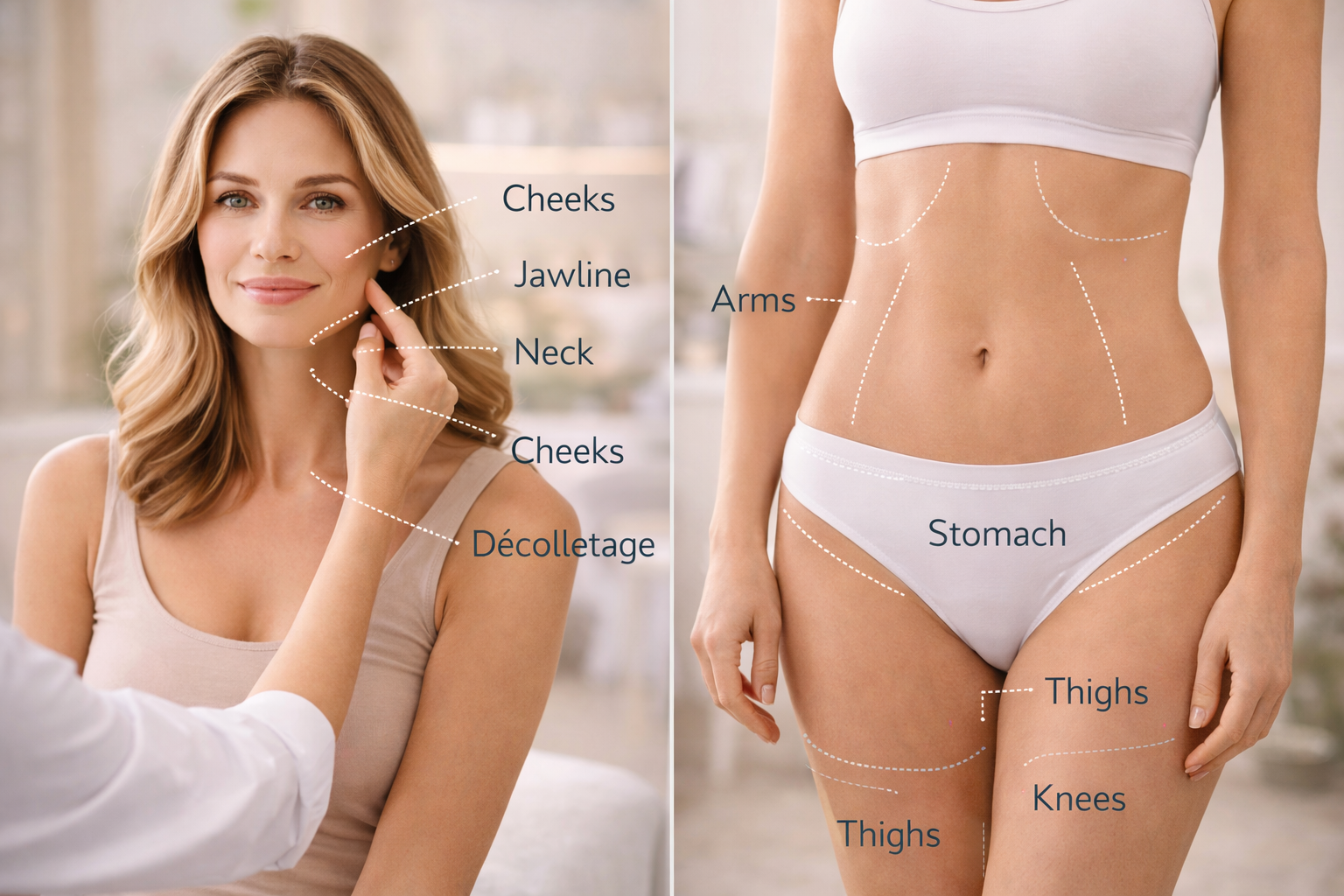
Both the face and the body offer a wide range of treatment possibilities within the field of aesthetics. Concerns can vary enormously from one person to the next, which is why a thorough consultation is always the starting point. Understanding where your specific concerns lie and how different areas of the face or body respond to treatment is essential for building a plan that delivers balanced, natural-looking results.
Common treatment areas include the chin, jawline, cheeks, neck and décolletage on the face and upper body. For body-focused concerns, treatments may be directed toward the stomach, arms, thighs and knees. What responds best varies from one area to another and from one individual to the next — this is precisely why personalised planning is so important.
Careful programme design helps ensure that treatments work in harmony with the natural structure of the body. Rather than treating areas in isolation, a well-considered plan takes into account how different zones relate to one another, creating an outcome that feels cohesive and proportionate. This integrated approach is one of the hallmarks of thoughtful aesthetic care.
What to Expect: Consultation and Treatment
Every good aesthetic journey begins with a consultation. This is a straightforward, relaxed conversation that lays the foundation for understanding your goals, addressing any concerns you might have and exploring what kinds of changes might be possible for you. There is no pressure at this stage. The focus is entirely on listening to what matters to you and ensuring that you feel comfortable with the process from the very beginning.
The first step is simply a conversation about what you have noticed and what you would like to improve. Some people are concerned about early sagging of the skin along the jawline or neck. Others are frustrated by small areas of stubborn fat that refuse to respond to changes in diet or exercise. Many people have no specific concern about a single feature — they simply want their skin to look a little fresher, smoother or more balanced than it does at present.
During the consultation, a clinician will take time to carefully evaluate your skin quality and body structure. This assessment helps guide thoughtful, personalised recommendations. The areas examined may include the texture and overall health of the skin, the natural contours of the face, underlying muscle tone and support, and the body's general composition and fat distribution.
The assessment also considers whether proposed treatments are genuinely aligned with your goals and whether they represent realistic options. Nothing will ever be recommended that is not needed. The aim is to build a plan that feels right, that is grounded in clinical evidence and that moves at a pace you are comfortable with.
Once a treatment plan has been discussed and agreed upon collaboratively, sessions can begin at your own pace. Some people prefer to start with a single treatment to observe how their skin or body responds before committing to further sessions. Others feel ready to embark on a series of treatments spaced over several weeks, allowing effects to build gradually and naturally.
On the day of treatment, the clinician will explain each step clearly as they proceed. Non-surgical procedures tend to be relatively quick, typically completed within less than an hour depending on the treatment area. Comfort is always a priority, and adjustments can be made during the session if anything feels uncomfortable.
Following treatment, you will receive straightforward aftercare instructions. These might include keeping the treated area clean, avoiding certain activities for a short period or protecting the skin while it recovers. These guidelines are designed to support the best possible outcome and to ensure your comfort throughout the healing process.
You may also receive guidance about follow-up appointments. These visits help track progress and confirm that results are developing as expected. Treatment plans can be adjusted if necessary, ensuring that everything continues to move in the right direction for your individual goals. This careful, incremental approach helps ensure that aesthetics treatments are safe, well-considered and focused on your overall wellbeing.
Realistic Results and Expectations
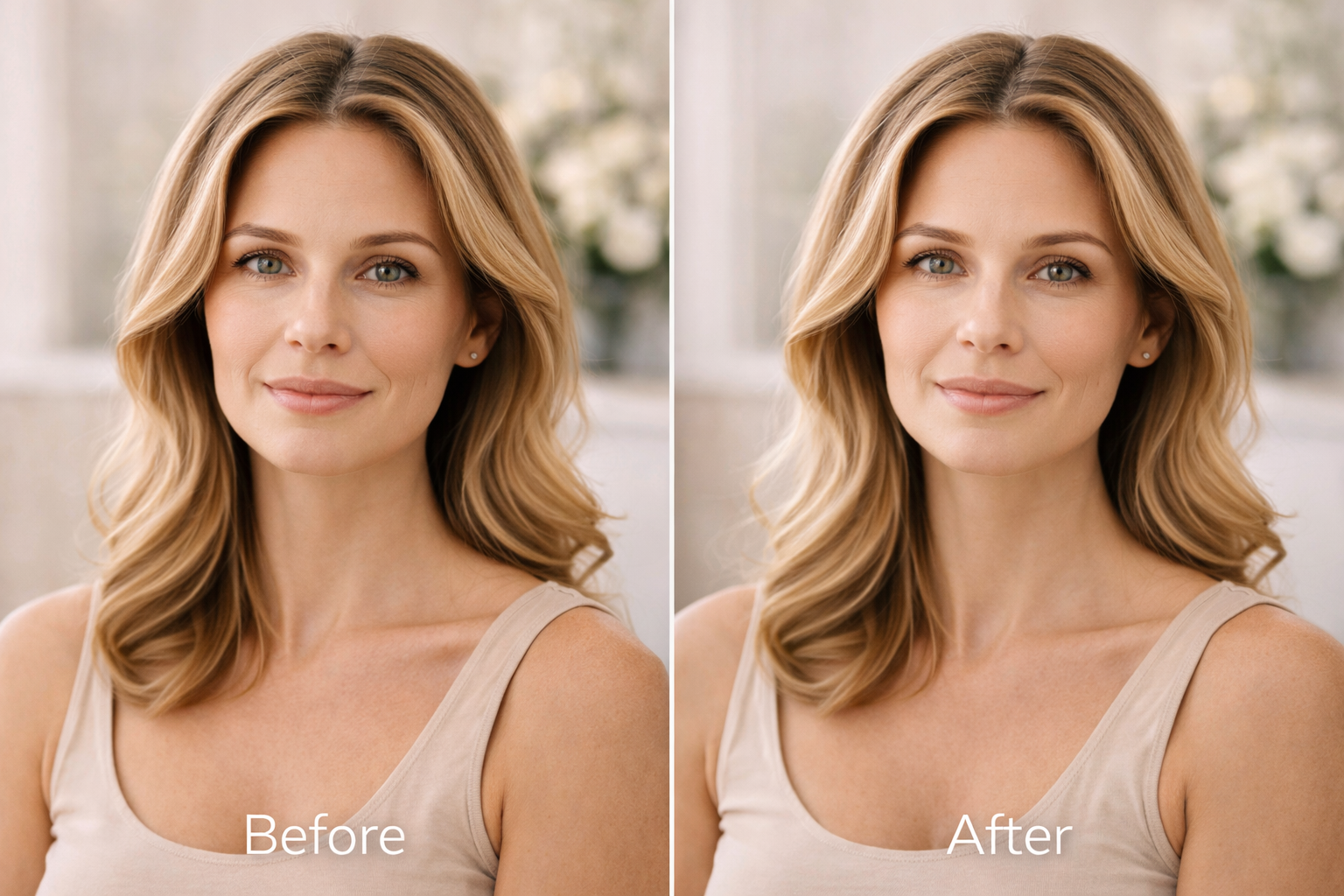
One of the defining characteristics of non-surgical aesthetics is the pace at which results appear. Unlike surgical procedures, which can produce immediate and dramatic changes, non-surgical treatments are designed to work gradually. This means that improvements develop over days, weeks and sometimes months — allowing the changes to integrate naturally with your existing features.
This gradual approach is not a limitation. It is, in many ways, one of the greatest strengths of non-surgical aesthetics. Because the changes happen slowly, they tend to look and feel like a natural progression rather than an abrupt alteration. Friends and colleagues may notice that you look well or refreshed, but they are unlikely to be able to pinpoint exactly what has changed. For many patients, this is exactly the outcome they are hoping for.
It is important to approach aesthetics with realistic expectations. No treatment can halt the ageing process entirely, and no single session will produce perfection. What these treatments can do is enhance what is already there — supporting the skin's natural structure, refining the body's contours and helping restore a sense of balance and proportion. The goal is not to look dramatically different, but to feel more like yourself.
Results also vary depending on the specific treatment, the area being addressed and individual factors such as skin type, age and lifestyle. A good clinician will always be transparent about what can realistically be achieved and will help you set expectations that are grounded in clinical experience. This honesty is a cornerstone of responsible aesthetics practice and ensures that every patient feels confident and well-informed throughout their journey.
Before and After — Real Patient Experiences
The most honest testament to any aesthetic treatment lies in the real experiences of the people who have undergone them. These stories reflect the quiet, understated nature of well-delivered non-surgical care — results that are felt as much as they are seen.
One patient explored cryolipolysis after noticing that a pocket of fat around the stomach area remained stubbornly in place despite a consistent exercise routine. Over the course of a few weeks following treatment, the area became noticeably more balanced and proportionate. The change was subtle but meaningful — enough to restore confidence without drawing unwanted attention.
A second patient sought HIFU treatment to address skin laxity along the jawline. Over the following months, the jawline gradually appeared tighter and more defined. Friends commented that the skin looked refreshed and healthy, but none could identify precisely what had changed. This kind of result — noticeable to the patient, invisible to the world — is often considered the hallmark of well-performed aesthetics.
A third patient turned to Morpheus8 for the treatment of acne scarring. Following several sessions, the texture of the skin became visibly smoother and more even. The scarring had not disappeared entirely, but the improvement was enough to make a genuine difference to how the patient felt about their appearance. It was a quiet transformation built on patience and clinical precision.
These stories reflect a consistent theme within thoughtful aesthetics: small, carefully considered improvements that support natural confidence. The results do not shout — they simply allow people to feel a little more at ease in their own skin.
Safety and Professional Standards
Safety is one of the essential foundations of responsible aesthetics practice. It is woven into every aspect of care — from the initial consultation through to the delivery of treatment and the follow-up that comes afterward. Before any procedure takes place, the clinician spends time understanding the patient's health history, current skin condition and treatment goals. This process is designed to confirm that the chosen treatment is a suitable fit and that it can be delivered safely.
Clinicians who provide aesthetics procedures are trained not only in the technologies they use but also in the detailed anatomy of the face and body. Understanding how the layers of skin, muscle and fat interact with one another is essential for delivering treatments accurately and safely. This anatomical knowledge allows clinicians to choose the most suitable technique for each patient, to apply it at the right depth and to configure treatment settings in a way that is tailored to individual needs.
Strict protocols for hygiene and infection control are followed at all times. Treatment rooms are maintained to clinical standards, and all equipment is cleaned, serviced and calibrated regularly. Devices are operated according to manufacturer specifications to ensure safe and consistent performance during every session.
Informed consent is a critical part of the process. Before any treatment begins, patients should have a clear and thorough understanding of what the procedure involves, what benefits may realistically be expected and what potential side effects could occur. When people are educated about their options through honest, open conversation, the decisions they make feel right and well understood.
Ethics underpins good aesthetics practice. Treatment recommendations should always be relevant to the patient's concerns and made in the patient's best interest. It is through the combination of professional training, secure clinical protocols and open communication that clinicians are able to deliver treatments that support patient confidence and overall wellbeing.
Aftercare and Maintaining Results
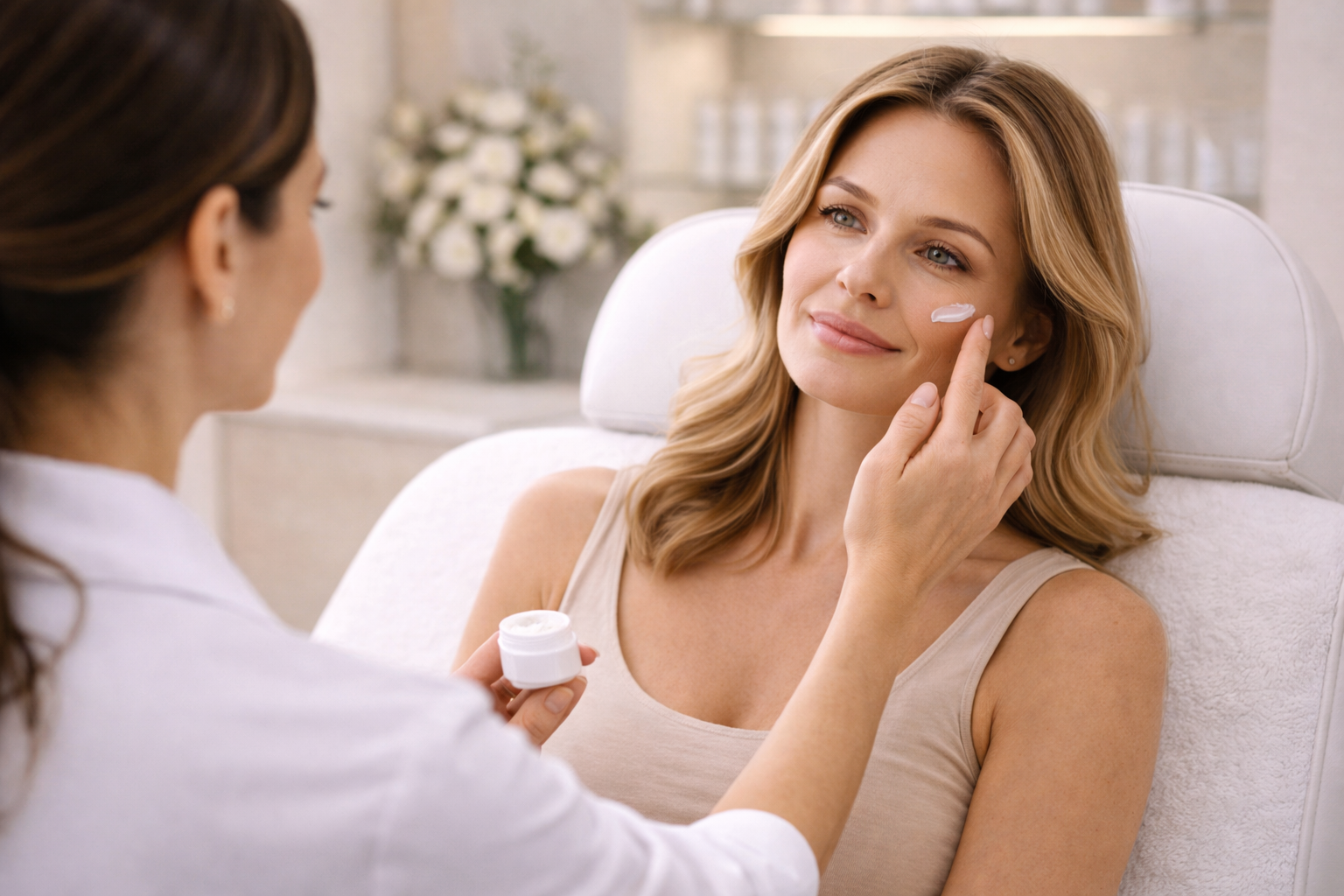
The period following any aesthetic treatment is just as important as the treatment itself. Proper aftercare supports the body's natural healing processes, helps protect the treated area and contributes to the quality and longevity of the results. While non-surgical treatments typically involve minimal downtime, following the aftercare guidance provided by your clinician can make a meaningful difference to the outcome.
Aftercare instructions will vary depending on the specific treatment received. In general terms, patients may be advised to keep the treated area clean, to avoid direct sun exposure for a period of time, to refrain from strenuous physical activity for a day or two and to be gentle with the skin as it recovers. For treatments involving the face, this might include avoiding heavy makeup or harsh skincare products for a short period. For body treatments, it may involve wearing comfortable clothing and staying well hydrated.
Maintaining results over the longer term often involves a combination of good skincare habits, a balanced lifestyle and, in some cases, periodic follow-up treatments. The body continues to age naturally, and the environmental factors that contribute to skin changes — sun exposure, stress, diet — continue to play a role. Many patients find that a thoughtful maintenance routine, guided by their clinician, helps preserve the improvements they have achieved and extends the benefits of their initial treatment.
Follow-up appointments serve an important purpose beyond maintenance. They provide an opportunity to assess how well the treated area has responded, to discuss any questions that may have arisen since the last visit and to adjust the treatment plan if necessary. This ongoing dialogue helps ensure that the patient's care remains aligned with their evolving goals and that the overall experience continues to feel supportive and well managed.
Frequently Asked Questions
Are aesthetics treatments safe?
When performed by trained professionals using approved technologies, most aesthetics treatments carry excellent safety profiles. A thorough consultation helps determine whether a particular treatment is suitable for your individual circumstances and health history.
Do treatments hurt?
Most non-surgical treatments involve minimal discomfort. Depending on the technology being used, some patients report sensations of warmth, tingling or mild pressure during the procedure. Clinicians take care to ensure that the experience is as comfortable as possible and can make adjustments throughout the session.
How long do results last?
The duration of results depends on the treatment type, the area treated and individual lifestyle factors. Many non-surgical treatments encourage gradual changes that can be maintained over a span of months or longer. Your clinician can discuss expected timelines during your consultation.
Is there any downtime?
Non-surgical procedures generally involve very little downtime. Some patients may notice mild redness, slight swelling or minor sensitivity in the treated area, but these effects typically resolve quickly. Most people are able to resume their normal activities shortly after treatment.
How many sessions are needed?
The number of sessions required varies depending on the treatment and the individual's goals. Some treatments deliver noticeable improvements from a single session, while others work best when administered as part of a planned series. Your clinician will recommend an appropriate schedule based on your specific needs.
Who performs the treatments?
All treatments are carried out by trained clinicians who possess a thorough understanding of aesthetics technologies, facial and body anatomy, and established safety protocols. Professional training and ongoing education are central to maintaining the highest standards of care.
Are results immediate?
Most non-surgical aesthetics treatments produce gradual improvements over the course of several weeks as the body heals and responds to the treatment. This slow development is part of what makes the results look so natural and well-integrated with your existing features.
Am I suitable for treatment?
Suitability depends on a range of factors, including your general health history, your specific goals and the type of treatment being considered. A consultation provides the opportunity to discuss these factors in detail and to determine the most appropriate approach for you.
Can treatments look natural?
Absolutely. Modern aesthetics is founded on the principle of discreet, subtle enhancement. The aim is always to work with your existing features rather than against them, producing results that look balanced, refreshed and authentically yours.
What if I decide not to continue?
Patients are always free to pause or discontinue treatments at any point. Comfort and informed decision-making are fundamental to the care process. There is never any obligation to proceed, and any decision to stop will always be respected and supported.
Why People Choose This Approach
The decision to explore aesthetic treatment is always a personal one, and the reasons behind it are as varied as the people who make that choice. What draws many individuals to non-surgical aesthetics is the combination of careful consultation, personalised planning and a commitment to results that look and feel natural.
Patient-centred consultations ensure that the focus remains on the individual's own goals and concerns rather than on a one-size-fits-all approach. Personalised treatment planning means that every recommendation is tailored to the patient's unique anatomy, skin type and lifestyle. A strong emphasis on clinical training and safety standards provides reassurance that care is being delivered responsibly and professionally.
The results themselves speak to the philosophy behind this approach — natural, balanced and in harmony with the patient's existing features. These are not treatments designed to create a radically different appearance. They are treatments designed to help people feel more comfortable, more confident and more like the version of themselves they recognise in the mirror.
Ongoing care and follow-up are also important factors. Knowing that support continues beyond the treatment room — that there will be opportunities to check progress, ask questions and make adjustments — gives patients a sense of continuity and security throughout their aesthetic journey. And a non-judgemental atmosphere makes it easier for patients to discuss their feelings, their goals and their concerns without reservation.
Our Approach to Patient Care
The golden thread that runs through good aesthetics is a nuanced, considered approach to every aspect of care. When treatments are chosen thoughtfully and performed with skill, they should enhance the attributes a person was born with rather than fundamentally change them. The aim is never perfection. It is about balance, comfort and the quiet confidence that comes from feeling at ease in your own skin.
Non-surgical aesthetics treatments are valued not only for their results but also for the flexibility they offer. Sessions are designed to fit into the rhythm of daily life, and the gradual nature of the results means that changes unfold at a pace that feels manageable and natural. For many people, this represents an approach to self-care that is sustainable, considered and free from the pressures that can sometimes accompany more invasive options.
Many modern treatments are designed to work in harmony with the body's own biological processes. Some encourage collagen production, leading to firmer, more resilient skin. Others target small pockets of resistant fat, prompting a gradual reduction that brings the body's proportions into better balance. Still others work to refine skin texture, smooth imperfections or improve muscle tone. These incremental changes can add up over time to create meaningful differences — all without sacrificing the natural expressions and alignment that make a person uniquely themselves.
At the heart of this approach is a belief that aesthetics care should be as much about the experience as it is about the outcome. The way a patient feels during their consultation, the trust they place in their clinician, the clarity of the information they receive, and the respect with which their decisions are treated — all of these elements contribute to a care experience that feels supportive, dignified and genuinely centred on the patient's wellbeing.
Next Steps and What to Know
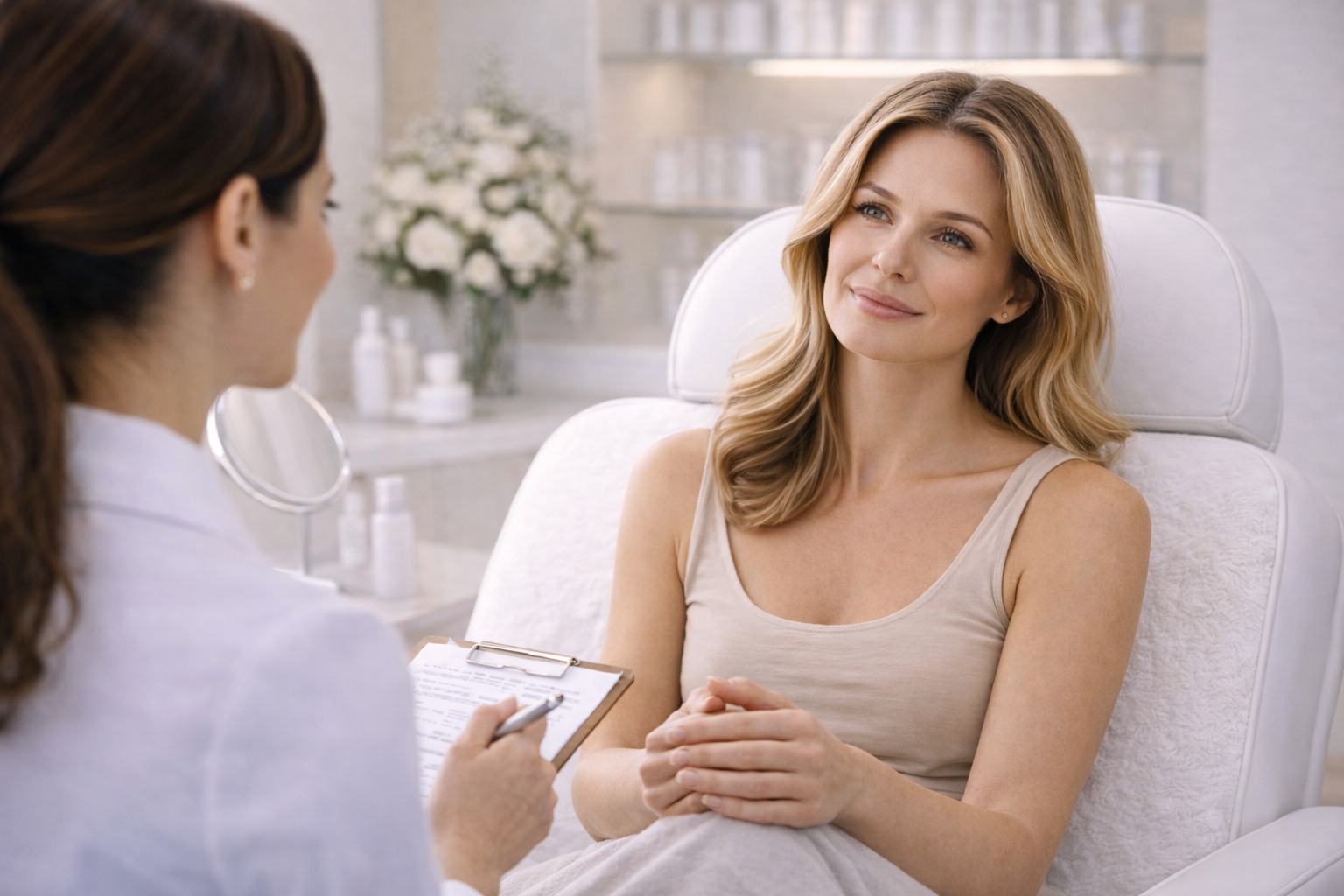
Taking the first step toward aesthetic treatment does not require a firm commitment. It simply begins with curiosity and a willingness to learn more about what might be possible for you. A consultation offers a chance to ask questions, to share what you have been thinking about and to receive clear, honest guidance from a professional who understands these treatments inside and out.
There is no expectation that you will decide on the spot. Many people find it helpful to take time to reflect on what they have learned during a consultation before deciding whether to proceed. This is encouraged. Aesthetic treatment should always feel like a considered choice, made at a pace that is comfortable for you and supported by the information you need to feel confident in your decision.
If you do choose to proceed, the treatment plan will be built around your individual goals, your anatomy and your preferences. Every step of the process will be explained clearly, and there will always be space for questions, adjustments and open dialogue. The relationship between patient and clinician is a collaborative one — and it works best when both parties feel heard, respected and aligned in their goals.
This content is intended to help you better understand your treatment options and what each one involves. Decisions about care should always ultimately be made in consultation with a qualified clinician — preferably one who is familiar with your individual goals and who can offer personalised guidance based on your specific circumstances.
A Final Word on Confidence and Care
At their heart, aesthetics treatments are about wellness and confidence. For many people, subtle refinements to skin tone, texture or body shape can reinforce how they feel about themselves each day. These are not changes designed to impress others or meet external standards. They are changes that support an individual's relationship with their own reflection — helping them feel a little more balanced, a little more refreshed and a great deal more comfortable.
The goal is never perfection. It is comfort, balance and the quiet satisfaction of feeling at ease in your own skin. Whether you are considering treatment for the first time or returning to continue a journey you have already begun, the door is always open to a conversation — unhurried, honest and centred entirely on what matters most to you.